MICRO GRANT: FOOD IN BOHUSLÄN
FOOD in Bohuslän is a micro grant that can be applied for by local producers who are active in food production.
About the micro support
FOOD in Bohuslän is one of our micro grants. Micro grants involve less administration and a faster application and decision-making process compared to applying for leader support for a more extensive initiative.
The purpose is to promote local food production with initiatives driven by local needs of those applying for support for a micro project.
The goal is for several micro projects to have been implemented related to local and resilient food production.
What can you seek support for?
For example, it is possible to apply for micro grants for projects that:
-
develop new products or services
-
strengthen the company's business development and profitability
-
develop brand, market, or new ways to reach customers
-
contribute to long-term economic and operational sustainability
-
create local benefits through strengthened local food production or new offerings in the local area
The support is aimed at projects that involve development – not regular operations.
What do we want to see in an application?
The application should describe the micro project's purpose, goals, and activities and show how the project contributes to the development of the business and local benefits.
As part of the application, a brief business overview is also requested, describing the current state of the business and overall development direction. If the applicant already has a business plan or business overview, it can be attached instead.
Who can apply for the support?
Applicants can be companies and other organizations that want to develop their operations in food production.
Individuals can apply for the support, but then it is required that a business is started within the micro project.
When can you apply?
Applications are accepted on an ongoing basis as long as there are funds left to distribute.
We recommend that you contact the Leader team before starting an application. We are happy to listen to your idea and guide you so that the application is correct from the start.
Limitation of applications
An organization can only have one active application at a time within the micro grant FOOD in Bohuslän.
It is possible to apply again with a new idea that differs from previous micro projects, but only after the previous micro project has been completed, finalized, and evaluated.
Upcoming decision meetings:
See calendar. A maximum of 3 applications can be decided upon at each decision meeting.
ABOUT THE MICRO SUPPORT
Maximum searchable amount: 40,000 SEK
Support level: 70 %
Co-financing: You who are applying for the micro grant must co-finance the project with at least 30% of the costs.
Download

Ongoing microprojects
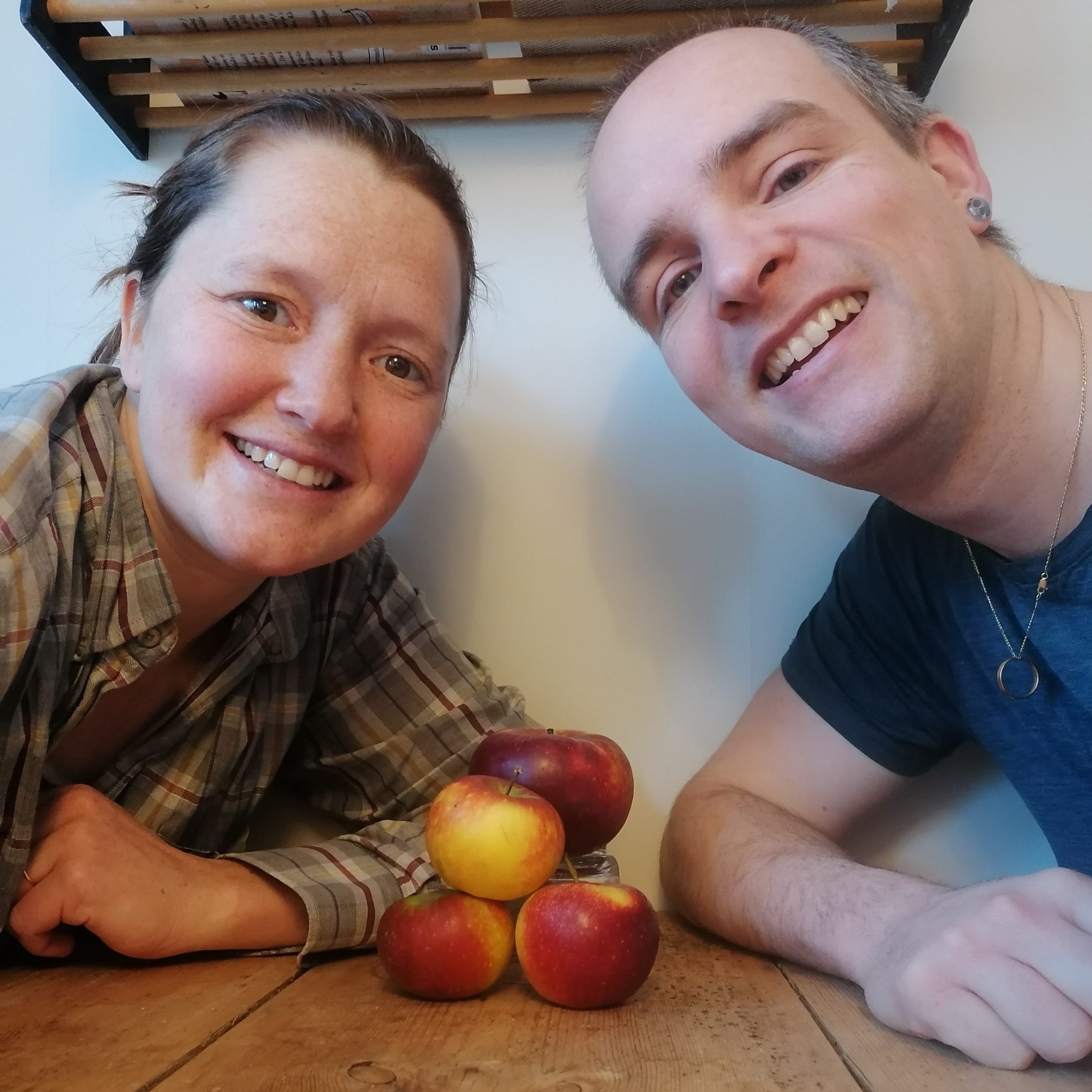
Apple Glitter
The project develops a new beverage based on locally produced apple juice that is carbonated and bottled or canned. By testing methods for carbonation and pasteurization, knowledge is created to develop a craft beverage without added sugar. The product, named Apple Glitter, is inspired by the European drink Apfelschorle but is adapted to local raw materials and markets. The goal is to broaden the cider mill's range and reach new customers in both retail and restaurants. In the long term, the project contributes to strengthening the farm's development as a destination and increasing demand for locally produced beverages.
About the microproject
Project owner: Ellene Cidery
Place: Bovallstrand – Sotenäs
Leader support: 40,000 kr
Budget: 58,620 kr
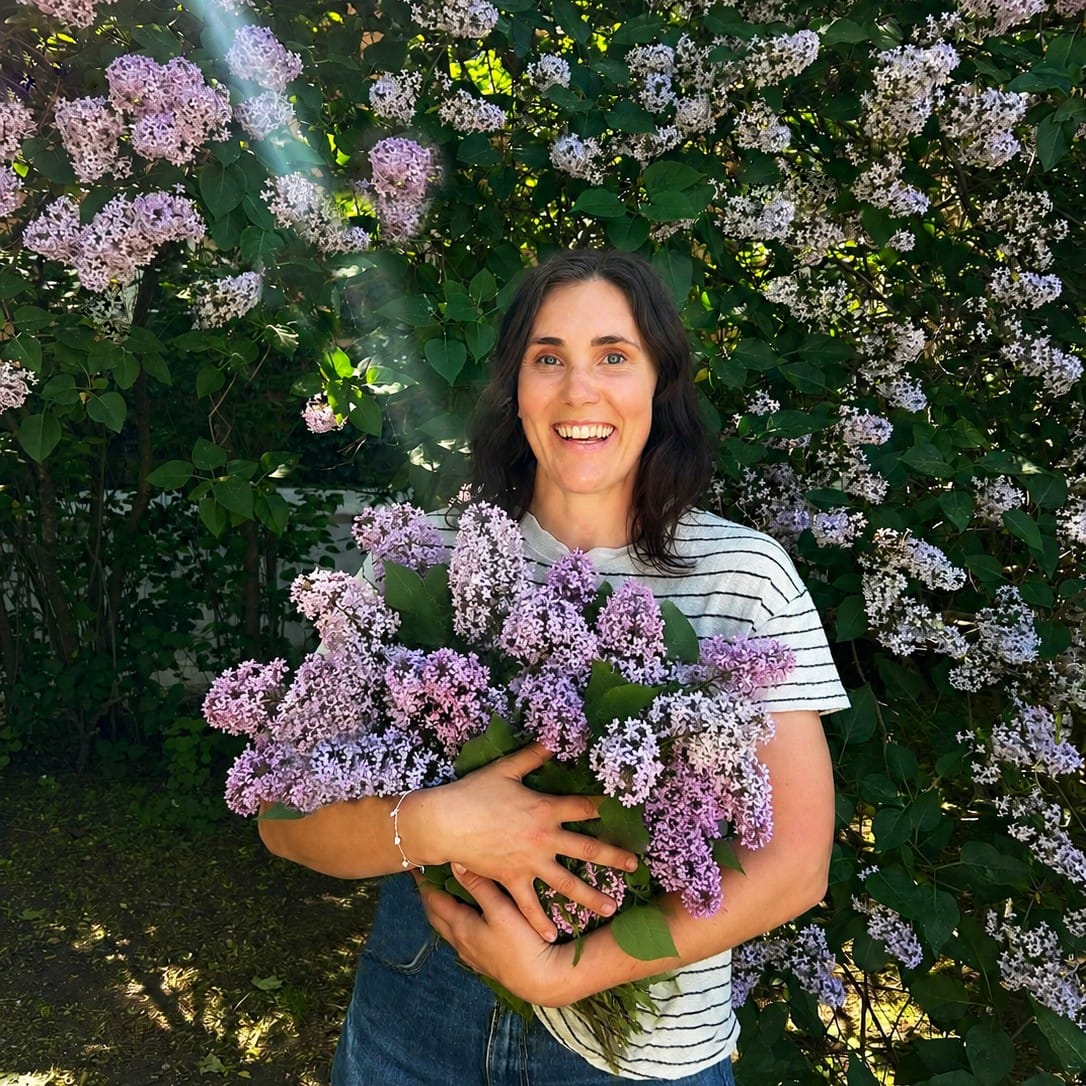
Development of a gastronomic concept around local raw materials and edible flowers
Markmyran & Goods AB develops a gastronomic concept around edible flowers, herbs, leaves, and seaweed from Bohuslän. Through professional photography, design, and a new digital platform, the business aims to make its raw materials more accessible to restaurants, partners, and new customer groups.
The project aims to strengthen the brand, increase visibility for locally produced raw materials, and create new opportunities for collaborations and sales. By highlighting seasonal raw materials and their uses in gastronomy, the initiative contributes to strengthening small-scale food production and the local food system in Bohuslän.
About the microproject
Project owner: Markmyran & Goods AB
Place: Tjörn
Leader support: 39,900 kr
Budget: 57,000 kr
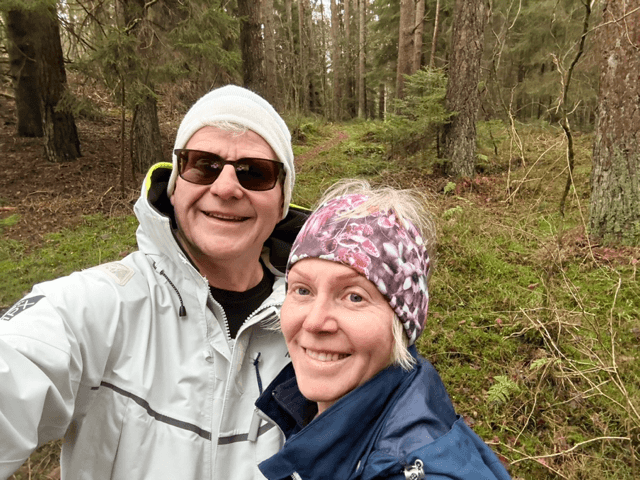
Beverage project – Hälla Distillery
Hälla Distillery in Kungälv takes the next step in the development of its newly started distillery by creating a clear visual identity and a well-thought-out setup for beverage tastings. The project includes the development of labels, communication materials, and a concept for tastings that can be used both in marketing and for future farm sales.
With a focus on local raw materials such as berries and herbs from the surrounding area, the business develops craft-produced beverages with and without alcohol. The initiative strengthens both the brand and the customer experience, while also opening up for new collaborations with local producers and the tourism industry. The project contributes to building a new local player in beverage production in Bohuslän and creating new opportunities for local food and beverage culture.
About the microproject
Project owner: Hälla Distillery AB
Place: Kungalv
Leader support: 40,000 kr
Budget: 58,611 kr

Feasibility study for oyster farming
The project aims to investigate the possibilities of starting a sustainable cultivation of the European oyster. Ostrea edulis in Bohuslän. Through study visits to established farms, research activities and international producers, knowledge about cultivation methods, market and business models is gathered. The work also includes building a network with potential customers and partners in the restaurant and food industry. The result will be a clear business plan and increased competence in aquaculture. The project lays the foundation for future local oyster production and can in the long term contribute to reducing the import of oysters to Sweden.
About the microproject
Project owner: Flipp Consulting AB
Place: Stromstad
Leader support: 28,771 kr
Budget: 41,102 kr
Knowledge dissemination and marketing for sustainable meat sales
The project aims to strengthen the sales of locally produced beef through knowledge dissemination and clearer marketing. Today, many customers primarily request a few specific cuts from the animal, which makes it difficult for small producers to sell the whole animal profitably. Through the project, recipes, photographs, and educational texts are developed to inspire customers to use more parts of the beef in their cooking. The material is compiled in a recipe booklet and is also used in stores and digital channels. The goal is to increase understanding of sustainable meat production and create a more balanced demand for different meat cuts. In the long term, the project can contribute to increased profitability for local producers and strengthen small-scale food production in the area.
About the microproject
Project owner: Hållsunga Pantry
Place: Core – Kungälv
Leader support: 40,000 SEK
Budget: 60,400 kr
All right – locally grown nutrient-dense pasta
The microproject All right aims to develop a new, nutrient-rich pasta product based on local grains and legumes from Bohuslän. By combining sourdough processes with local raw materials, a daily staple food with a high nutritional profile is created, which is easy to use and appeals to both children and adults.
The project is carried out as a limited pilot project and includes the development and testing of several pasta varieties, establishment of production processes in food-approved premises, and collaboration with local raw material producers and sales channels. The initiative contributes to increased local processing, strengthens collaborations in the region, and lays the foundation for a more resilient and sustainable local food production in Bohuslän.
About the microproject
Project owner: Macus Nordgren (sole proprietorship)
Place: Tanum
Leader support: 37,936 kr
Budget: 54,194 kr

Nöddö Flavor Workshop
Nöddö Musteri in Strömstad takes the next step in the development of its organic cultivation by creating a completely new, food-approved kitchen for processing the farm's raw materials. The farm produces apples, vegetables, and honey, and with the initiative Nöddö Smakverkstad, more of these raw materials will be utilized and transformed into attractive products.
The project involves renovating part of the existing barn to meet food safety requirements. The space will be equipped with machines for processing fruit, vegetables, and honey. Here, among other things, jams, chutneys, pickles, jellies, and honey products will be produced.
The initiative makes it possible to reduce waste, create new local foods, and strengthen the farm's economy. Through beekeeping, the project also contributes to increased pollination and biodiversity in the area.
Nöddö Smakverkstad will become a long-term resource for the development of local products and opens up for new collaborations with restaurants and farm shops.
About the microproject
Project owner: Nöddö AB
Place: Stromstad
Leader support: 40,000 SEK
Budget: 62,400 SEK
Drying of berries, vegetables, and herbs
Häröds Gård in Orust is developing new ways to utilize the farm's rich berry production. Every year, the 80 hybrid blueberry bushes produce large quantities of berries, but a significant portion ends up in the freezer and risks going to waste. Through the micro-project, the farm aims to create sustainable and sugar-free products through drying and processing of berries – without additives.
The project includes the establishment of a food-approved preparation room and the purchase of equipment for drying, raw juice, and grinding into powder. Nutritional analyses will be conducted to develop pure, healthy products such as dried berries, berry chips, raw juice, and blueberry powder. The work will also result in labels, informational materials, and a website that makes it easier for customers to find the products.
In the long run, the products will be sold through the farm shop, local markets, and to restaurants, contributing to more locally produced and sustainable options in Bohuslän.
About the microproject
Project owner: Häröds Gård
Place: Henån – Orust
Leader support: 40,000 SEK
Budget: 58,084 SEK

Fruit and berries in Kareby
Kareby Market Garden is starting a new small-scale cultivation of fruit and berries on 1,500 square meters in Kareby. By planting about fifty fruit trees and berry bushes on previously unused land, a green oasis is created that contributes to both local food production and increased biodiversity.
The project includes the installation of wildlife fencing, planting, and the development of a logo and signage to make the cultivation visible.
The goal is to offer fresh, frozen, and dried locally produced products and to make it easier for residents in the area to choose locally grown options. The results are spread via social media, reko rings, and local markets.
About the microproject
Project owner: Kareby market garden
Place: Kareby – Kungälv
Leader support: 37,740.5 SEK
Budget: 53,915 SEK
Breeding project Bohuslän farm chicken
Four slow-growing chicken breeds are being tested to find the most suitable for small-scale breeding in Bohuslän. The breeding takes place under comparable conditions where hatching results, health, and slaughter weight are compared. The project aims to provide a basis for future production of grass-fed farm chicken in the region. The goal is to contribute to more sustainable and ethical chicken farming. The results are spread via social media, local media, and networks within agriculture.
About the microproject
Project owner: Nötekärrs gård
Place: Lysekil
Leader support: 40,000 SEK
Budget: 60,000 SEK

More efficient planting and enhanced customer communication
Gårdslids AB in Orust is developing its small-scale vegetable cultivation with investments in new tools and improved customer communication. With a planting tool that saves time and reduces physical strain, more vegetables can be grown with higher precision. A battery-powered brush cutter contributes to fossil-free management of the cultivation and easier handling of harvest residues.
At the same time, the relationship with customers is strengthened through inspiring weekly newsletters, recipes, and cultivation tips as well as an updated website. The project makes it possible to meet the increased demand, increase the diversity of crops, and build long-term sustainable food production in Orust.
About the microproject
Project owner: Gårdslid AB
Place: Orust
Leader support: 40,000 SEK
Budget: 59,734 kr

MykoVerkstad – sustainable mushroom cultivation in Orust
The project aims to start a small-scale and resource-efficient cultivation of edible mushrooms such as shiitake and oyster mushrooms. A cultivation space is being converted for commercial mushroom production using local substrate from farmers and arborists. At the same time, collaborations are being developed with restaurants such as Slussens Pensionat, Sundsby Säteri, and Hababeriet.
Through workshops and courses, knowledge about mushroom cultivation is spread to more people, and the mushrooms are sold directly to customers via local markets, reuse, and social media. The project combines circular food production with community and learning. The result is a new local food resource that strengthens both sustainability and food security in Orust.
About the microproject
Project owner: Carmen Fetz (sole proprietorship)
Place: Orust
Leader support: 40,000 SEK
Budget: 57,182 SEK
Completed microprojects

Crab on the table – an inclusive method
Skärgårdsidyllen AB developed a new experience product where guests could follow the entire journey from fishing to plate. Through trial tours, recipe development, and the creation of booking and marketing materials, the concept ”Crab Fishing Tour” was created, with the opportunity for a cooking workshop where participants learned more about crab fishing, preparation, and sustainable use of local ingredients.
The project resulted in a finished product that began to be marketed and already had booked guests for the summer season. The boat was adapted with a line puller to improve safety and working conditions, while the company strengthened its marine expertise and developed new collaborations within the tourism industry. The initiative contributed to increasing knowledge about coastal fishing, creating new nature and food experiences, and strengthening the conditions for a vibrant coastal community and sustainable local food production in Bohuslän.
About the microproject
Project owner: Archipelago Idyllic AB
Place: Grebbestad – Tanum
Leader support: 40,000 SEK
Budget: 68,794 SEK
Development of non-alcoholic products – Brewhuslän
Brewhuslän in Jörlanda developed its range by creating four new non-alcoholic beverages under the brand Bohusbris. The project included recipe development, taste testing, and design work for two tonic products and two non-alcoholic mixed drinks with flavors of elderflower, lemon, and hibiscus, among others.
Through collaborations with external expertise, both the content of the products and a new visual expression inspired by Bohuslän's coastal environment were developed. The initiative provided the company with a broader non-alcoholic offering and a stronger foundation for future sales to local stores, restaurants, cafés, and bars. The project also contributed to strengthening Brewhuslän's brand and creating better conditions for the continued development of locally produced beverages in Bohuslän.
About the microproject
Project owner: Brewhuslän AB
Place: Stenungsund
Leader support: 39,900 SEK
Budget: 57,000 kr

Digital sourdough course
With the new service digital sourdough course, it becomes possible to spread knowledge about sourdough baking to a wider audience year-round. The project includes recording course sections, developing a course portal with a landing page and marketing materials. The result will be spread via social media. The course will be a source of inspiration that reaches new target groups year-round, while contributing to sustainable learning and economic growth for the business.
About the microproject
Project owner: Utgårds craft bakery & farm shop
Place: Fjällbacka – Tanum
Leader support: 40,000 SEK
Budget: 57,240 SEK

The development of Djupedals Gardens
The microproject aimed to develop a small-scale vegetable cultivation by expanding the cultivation area, building a permanent sales booth, and improving visibility with new signs. A stable swish booth was erected, strategically placed signs were set up, and nutrient-rich compost soil was spread in the planting beds. With sustainable cultivation methods and local anchoring, a resource-efficient food production was created where vegetables were sold directly to customers without intermediaries. The project met the high demand for locally grown vegetables and contributed to both ecological and social sustainability in Bohuslän.
About the microproject
Project owner: Djupedals Gardens/Hannah Stening
Place: Hamburgsund – Tanum
Leader support: 40,000 SEK
Budget: 59,449 SEK

Development of the community-supported agriculture concept
Through the initiative, Odlingslust AB developed a webshop for flexible orders, created a recipe booklet, and established collaborations with several local pickup points.
The result was increased accessibility and better service for our customers, who can now choose vegetables themselves and pick them up at times and places that suit them. The new solutions have contributed to more customers choosing to remain as share members, while transport has decreased and the community with local actors has strengthened.
The experiences from the project live on and strengthen the development of community-supported agriculture moving forward.
About the microproject
Project owner: Cultivation Desire AB
Place: Ljungskile – Uddevalla
Leader support: 40,000 SEK
Budget: 57,580 SEK

Farm sales
Sandbacka Gård carried out the project to expand its vegetable cultivation and improve sales opportunities. During the project period, new cultivation areas were planned and prepared with tilling, fertilization, and extensive weeding. Wildlife fencing and gates were erected, and windbreaks were built to protect the crops. A simple website was created, along with a new logo, signs, and labels for the farm's products.
The project led to two new sales channels, including collaborations with Gårdslids Odlingar and Café Tillsammans, where the farm's vegetables and eggs were sold. At the same time, the project highlighted the practical challenges of small-scale cultivation – weather conditions, weeds, and pests affected the harvest, and some crops had to be moved to the next season.
Despite the difficulties, a more stable foundation for future production was created, with safer cultivation areas and lessons learned for upcoming seasons. The project contributed to increased visibility for the farm, more customers via the website, and continued engagement in local food production in Orust.
About the microproject
Project owner: Sandbacka Farm
Place: Henån – Orust
Leader support: 40,000 SEK
Budget: 60,514 SEK

More locally grown vegetables for the people!
Timmervikens Skafferi carried out the project to increase accessibility in the farm shop and improve the sustainability of the homegrown vegetables. An air heat pump and a time-controlled lock were installed, allowing the shop to remain open every day during the harvest season. Thanks to the cool indoor temperature, the vegetables could be kept fresh longer, reducing waste and increasing sales.
The project also included the development of a graphic profile, training in Canva, and work with digital vegetable portraits that taught customers more about preparation and storage. The initiative yielded clear results – sales increased by over 20%, new regular customers emerged, and the opening hours proved crucial for many local customers.
The farm shop has since continued with extended opening hours and clearer communication via social media and the website. The project strengthened both economic and ecological sustainability through increased turnover, less waste, and greater engagement for local food.
About the microproject
Project owner: Timmervikens Pantry
Place: Timmervik – Stenungsund
Leader support: 40,000 SEK
Budget: 58,310 SEK

Perennial Herb Garden
Sjöängens Kitchen Garden established a perennial herb garden during the project to meet the demand from local restaurants for hard-to-access herbs. Two permanent planting beds were built and filled with soil, compost, and fertilizer, and around the area, drainage was installed that led the water to a new pond. The pond became both an important water resource during the dry season and a boost for the biodiversity in the cultivation.
The herb garden was planted with, among others, Mexican tarragon, winter savory, mint, lovage, Spanish chervil, and sorrel. In the spring, a new visual identity was developed together with Nuet Design Studio, which strengthened the brand.
The project led to increased sales and a deepened collaboration with Marstrand's Havshotell, which increased revenue by 100,000 kr. A new colleague was hired, and the cultivation also had a side effect in the form of flower subscriptions and future collaborations around plant dyeing and cut flowers.
The results were spread via social media and during study visits, and the perennial herb garden continues to deliver sustainable harvests and inspiration for new products in Sjöängens Kitchen Garden.
About the microproject
Project owner: Fingal Design
Place: Marstrand – Kungälv
Leader support: 40,000 SEK
Budget: 63 601 kr

Photographer: Linda Tengvall
Blue sauces – seaweed on Swedish dining tables
Ten Island Seafarm has during the project period developed a new food product based on home-grown sugar kelp from the Gothenburg archipelago. The seaweed that has been harvested has been sun- and air-dried in collaboration with local actors, and a sustainable production chain has been established with a focus on minimal transport and local raw materials. Labels have been developed together with a local designer and the product is launched in trial sales with selected partners ahead of upcoming market events.
The project has provided valuable insights into how production can be scaled up without increasing environmental impact, which has led to the decision to continue working in smaller, locally anchored batches. Storytelling and marketing have been spread via social media and collaborations in the local area. The production chain is now established and the goal is to increase both production and distribution during 2025–2026. By highlighting sugar kelp as a raw material, the project contributes to developing the sustainable seafood of the future and strengthening the blue economy in the region.
ABOUT THE MICROPROJECT
Project owner: Ten Island Seafarm AB
Place: Hälsö – Öckerö
Leader support: 40,000 SEK
Budget: 58,000 SEK

Smögen Soap Factory – The Beehive
The project has made it possible for Smögen Soap Factory to develop its beekeeping business by investing in equipment, expanding bee colonies, conducting honey extractions, and creating labels for local sales. An unmanned honey kiosk has been established and become a valued feature in the local community, which has strengthened the company's presence and contributed to a model for high-trust trade.
The work has resulted in a new product and a new sales format, while the project has led to improved pollination in the area and strengthened relationships in the local network. Despite challenges such as swarming, storm damage, and a weak honey year, the business has been set up for continued development with more revenue streams and increased resilience within the company's sustainable production.
About the microproject
Project owner: Smögen Small Farm AB
Place: Smögen – Sotenäs
Leader support: 11,900 SEK
Budget: 17,500 SEK

Must Ljungskile
Must Ljungskile has during the project period established Uddevalla municipality's first local cider mill and utilized about two tons of apples that would otherwise have risked becoming food waste. This has resulted in about 1,200 liters of apple juice and created new opportunities for households in Ljungskile and surrounding areas to press their garden fruit locally. The project has also led to several collaborations with companies and local actors, including a joint harvest market and sales through local stores.
The initiative has laid the foundation for a circular and locally anchored food production, where both raw materials and processing remain in the community. Press residues have been returned to animal husbandry in the area, further strengthening the project's sustainability profile. The work will continue to develop with the goal of increasing production and deepening collaborations with community organizations to engage more households in utilizing their fruit next season.
About the microproject
Project owner: Visual Sense/Niklas Ahlberg
Place: Ljungskile – Uddevalla
Leader support: 40,000 SEK
Budget: 57,440 SEK

Microproject for micro-living
The project has investigated and developed methods to strengthen the microbial life in growing beds at Resö Gård. Initial soil samples showed that the micro life was already strong, especially in cover-cropped beds, which led to the focus being placed on further developing cover cropping instead of producing compost tea. Through the collection of green cover material and recurring microscopic analyses, the project has provided increased understanding of how the soil's microorganisms can be benefited for a more sustainable and resilient cultivation.
As a concrete result, an easily accessible information brochure about micro life has been produced and is shared both digitally and on-site. The project has simultaneously laid the foundation for continued development of sustainable cultivation methods, such as winter cover and work with bioactive compost, with the goal of long-term strengthening of soil health and reducing the need for external inputs.
About the microproject
Project owner: Resö Gård AB
Place: Tanum
Leader support: 40,000 SEK
Budget: 60,000 SEK

The Cider Project
alvar & ivar in Tjörn has developed a cohesive visual identity and new informational material for the farm's craft cider. Within the project, labels, a farm sign, and a printed folder have been designed in collaboration with an illustrator and sommelier, and a setup for cider tastings and tours has been developed. This has made it possible to present both the farm and the product in a more professional and cohesive manner ahead of the upcoming farm sales.
The project has strengthened the brand, improved the visitor experience, and created good conditions for continued beverage development. The interest has been great, with attention in local media and an upcoming launch in Systembolaget's local assortment. The work continues through expanded production capacity and planned events around craft cider, which further deepens the farm's offerings and future visitor activities.
About the microproject
Project owner: alvar & ivar sourdough bakery ab
Place: Hjälteby – Tjörn
Leader support: 40,000 SEK
Budget: 58,500 kr

Development of farm shop
Skålldals little eco-dairy in Kode has streamlined its farm shop through the installation of a new cash register system and the development of a digital knowledge bank. The project has freed up time that has instead been used to broaden the product range and create closer contact with customers through social media and informational films about the farm's production – from cow to glass. The work has aimed to increase understanding of small-scale farming, strengthen relationships with local suppliers, and promote more sustainable food consumption. Through increased visibility and digital efforts, the dairy has also contributed to inspiring a stronger local food community.
About the microproject
Project owner: Skålldals little eco-dairy
Place: Code – Kungälv
Leader support: 40,000 SEK
Budget: 64,470 kr
Feasibility study Bohuslän farm chicken
The project mapped the possibilities to start production and sales of grass-fed farm chicken in Bohuslän. Through market research, study visits, and data collection, a basis was developed for how collaboration between several farms can be organized. The work showed that there is interest from more farms in the region and that a joint slaughterhouse can be a central solution to enable production. The goal was to investigate the conditions to meet the demand for a local product that is currently lacking in the region. The results were compiled in a report that has been disseminated via social media and local networks. The project has been based on small-scale operations, collaboration between farms, and the development of a more sustainable food production.
About the microproject
Project owner: Southern Flat
Place: Lysekil
Leader support: 40,000 SEK
Budget: 60,000 SEK
Farm shop 2.0
Utgårds Farm Shop in Fjällbacka is taking the next step in its development with a focus on energy efficiency and product development. The project includes the installation of a heat pump for better climate in the shop, optimization of the shop space in collaboration with Hallands Matgille, and the development of new products based on local raw materials.
The purpose is to create a more sustainable operation, reduce waste, and strengthen the sales of both its own and local producers' goods.
With a more energy-efficient system, new products, and an updated shop environment, the initiative contributes to increased sustainability and growth for local food production in northern Bohuslän.
About the microproject
Project owner: Utgårds craft bakery & farm shop
Place: Fjällbacka – Tanum
Leader support: 40,000 kr
Budget: 57,680 kr